Technical deep dives
Technical deep dives
Architecture, code, and trade-offs for engineers and technical leads. Each one pairs with a short, plain-English post.
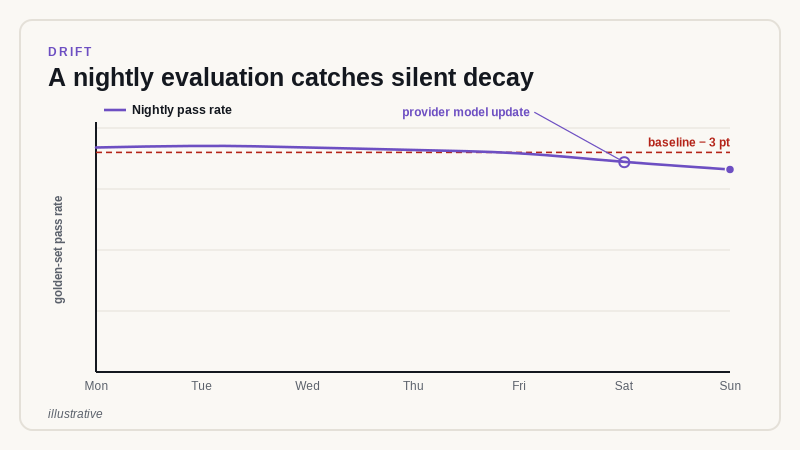
Operating GenAI in Production: Observability, Drift, and Incident Response
What to monitor, how to detect quality drift, and how to run incidents for non-deterministic systems.
Read →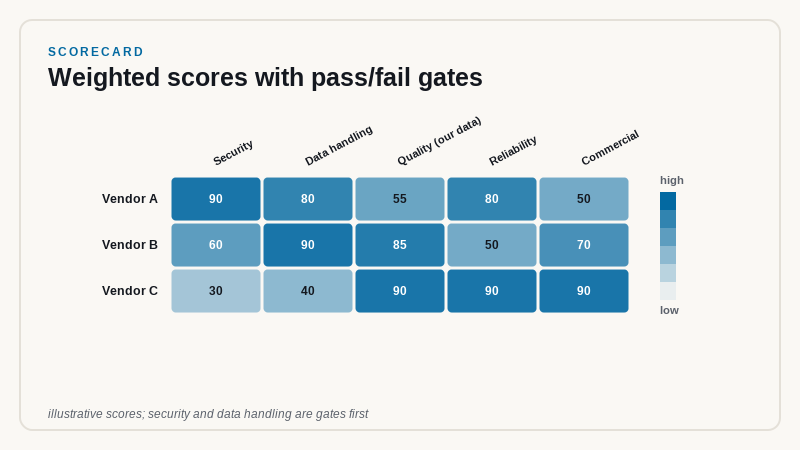
Technical Due Diligence for AI Vendors
A structured way to evaluate vendors: security, data handling, quality on your cases, reliability, and exit.
Read →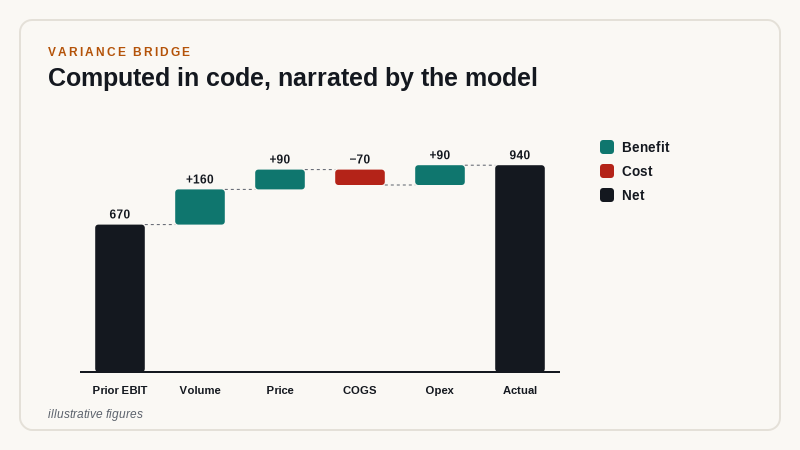
GenAI for Finance: Numbers-First Reporting and Controls
A design where the data layer computes the figures and the model only explains them, with reconciliation and audit.
Read →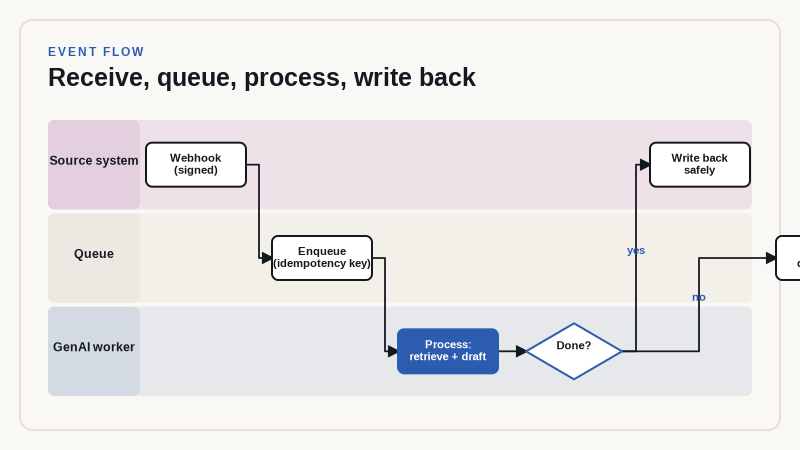
Integration Patterns for GenAI: APIs, Webhooks, and Queues
How to connect GenAI to business systems reliably: event-driven design, idempotency, rate limits, and failure handling.
Read →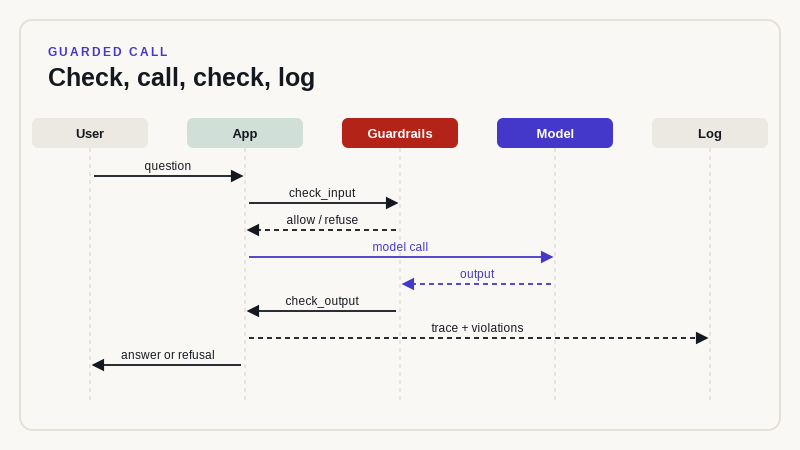
Implementing GenAI Guardrails: Input and Output Checks in Code
A layered guardrail design with policy as configuration, tested like any other code.
Read →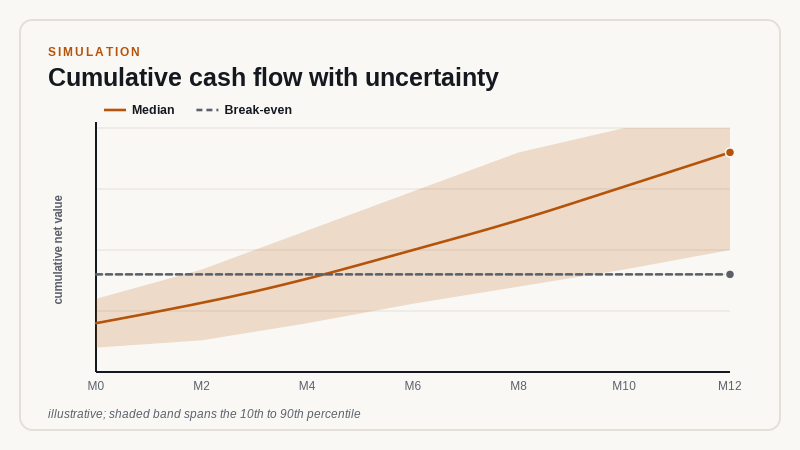
A GenAI ROI Model: NPV, Payback, and Uncertainty
Go beyond a single ROI number: model benefits and costs over time, with ranges, and see how likely the project is to pay back.
Read →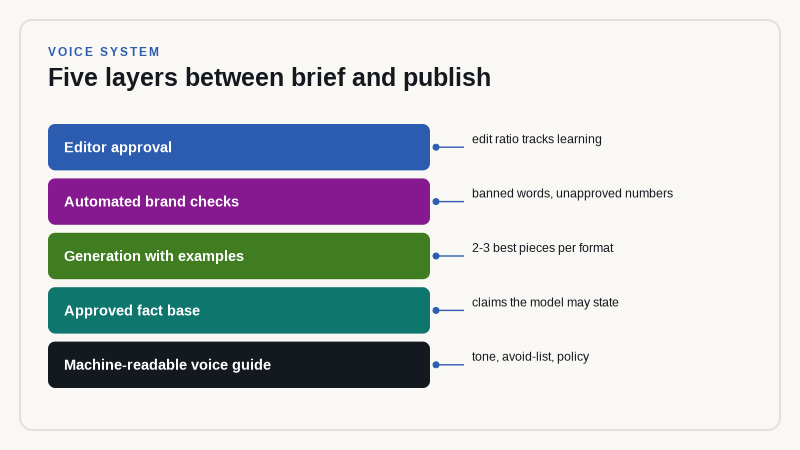
Building a Brand Voice System for GenAI Content
How to encode your voice, facts, and approvals so generated content stays on brand and accurate.
Read →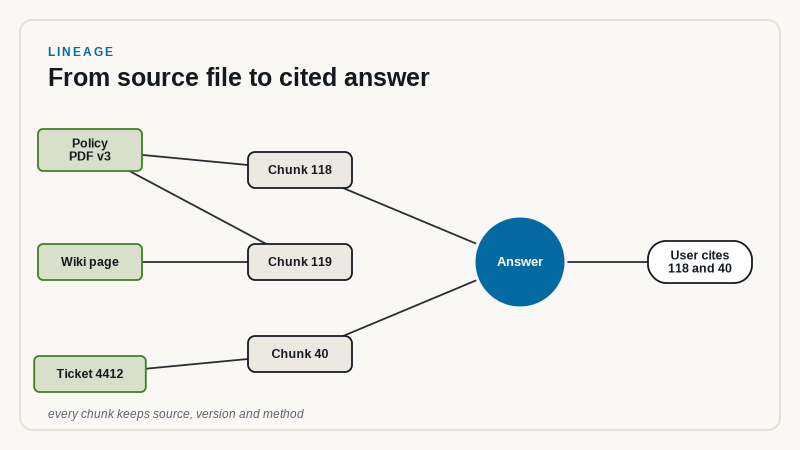
A Data Readiness Pipeline for GenAI: Ingestion, Quality, and Lineage
Turn scattered documents and tables into a reliable, permissioned, up-to-date source for GenAI.
Read →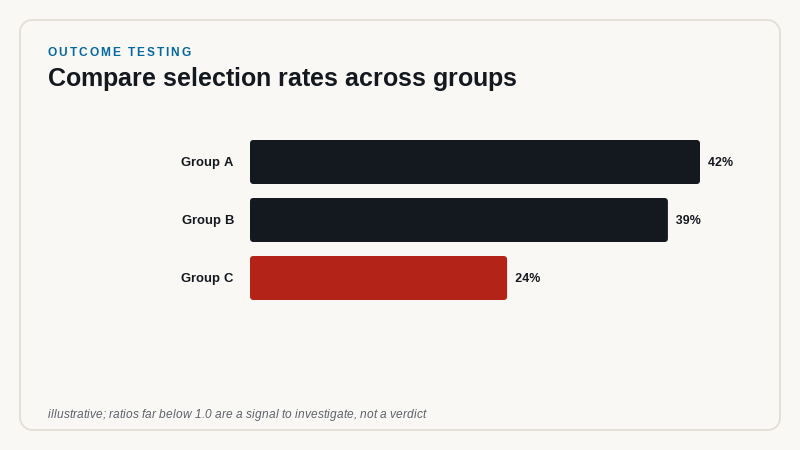
Responsible GenAI in HR: Data Minimization and Bias Testing
Engineering controls for HR use cases: what data to exclude, how to test for disparate outcomes, and how to keep humans accountable.
Read →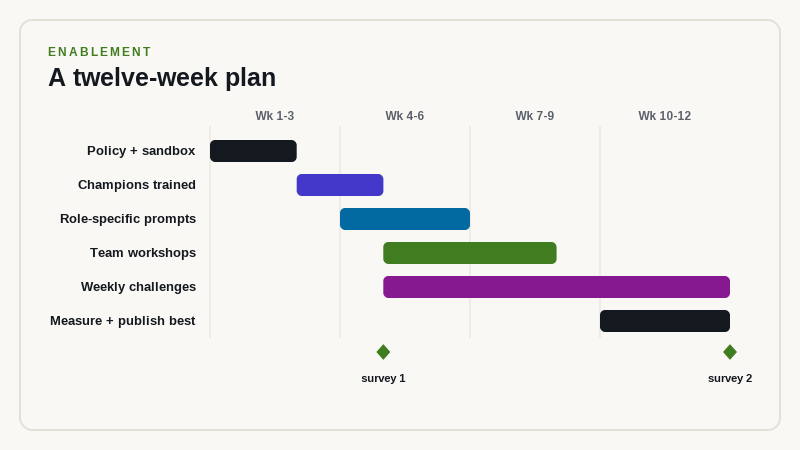
Engineering an AI Enablement Program: Sandbox, Prompt Library, and Analytics
The tooling behind successful adoption: a safe sandbox, a shared prompt library, and usage analytics that guide training.
Read →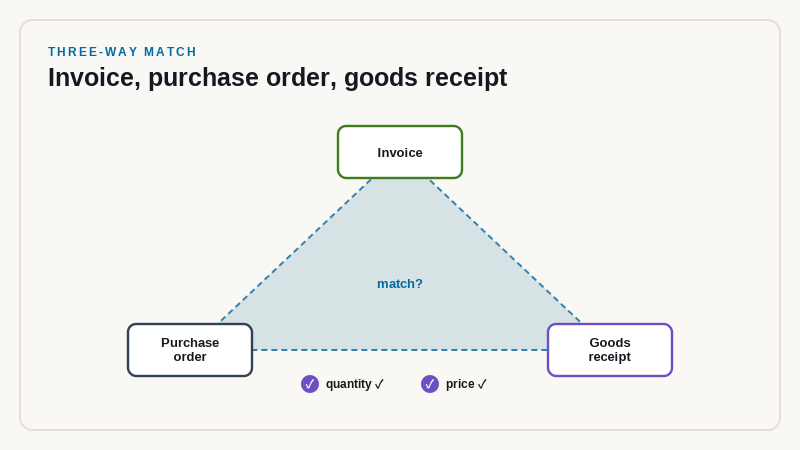
Document Extraction Pipelines for Invoices and Forms
OCR, layout, structured extraction, validation rules, and human exception handling for back-office documents.
Read →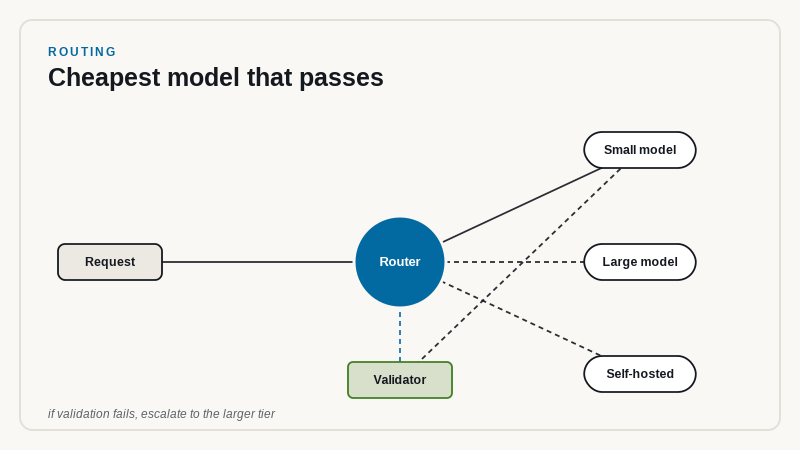
LLM Selection: Benchmarking, Routing, and Fallbacks
How to choose models with your own benchmark, then route requests across them for cost and reliability.
Read →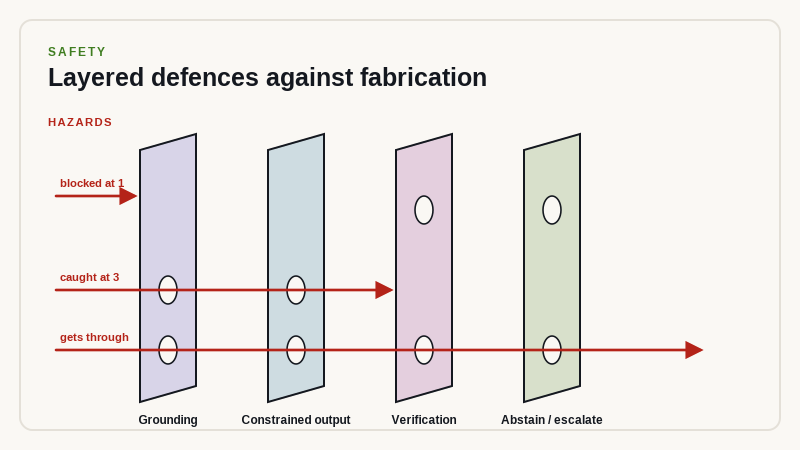
Reducing LLM Hallucinations: Engineering Techniques That Work
Grounding, constrained output, verification, and abstention: a toolkit with code for making outputs dependable.
Read →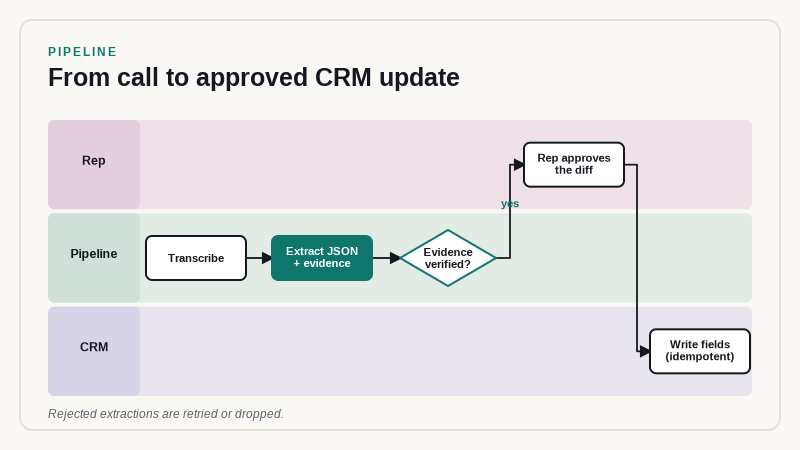
GenAI for Sales: Transcript Pipelines and CRM Integration
How to turn call recordings into structured CRM updates and follow-up drafts, reliably and securely.
Read →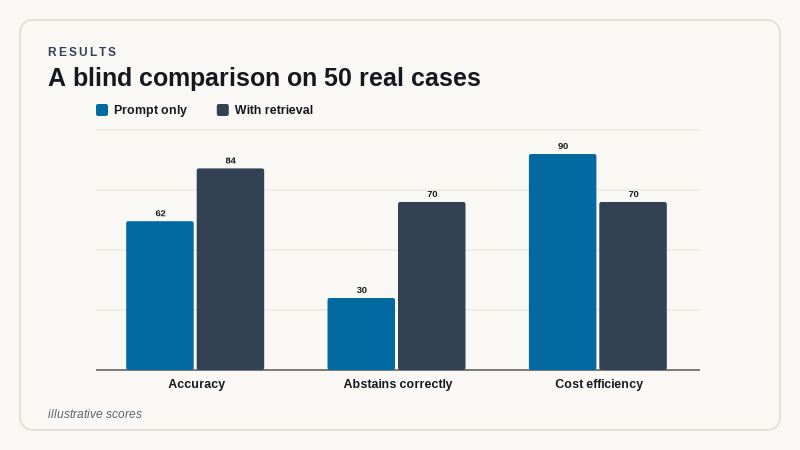
Testing GenAI Myths With Quick Experiments
Instead of debating claims about GenAI, run small experiments. Here is how to test five common assumptions.
Read →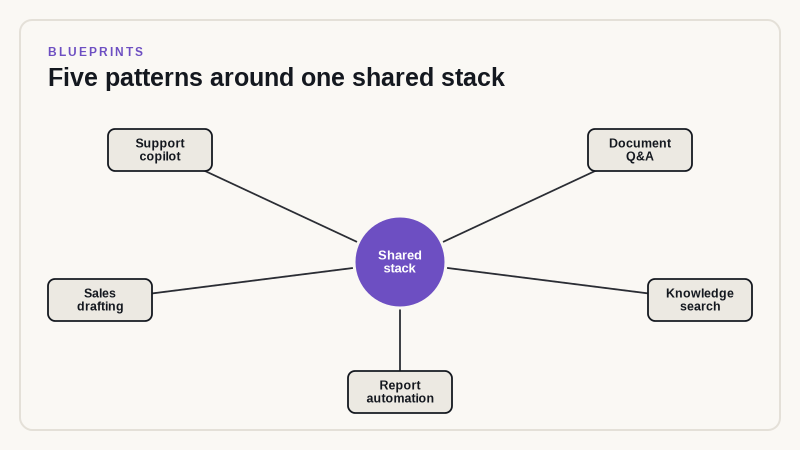
Five GenAI Patterns and Their Technical Blueprints
Reference blueprints for the five projects that ship fastest: support, document Q&A, drafting, search, and reporting.
Read →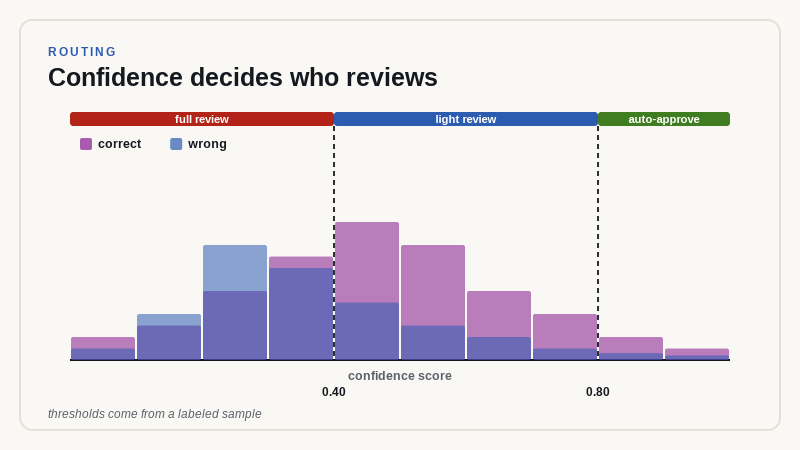
Designing Human-in-the-Loop Workflows for GenAI
Where to place review, how to route by risk and confidence, and how to turn corrections into improvements.
Read →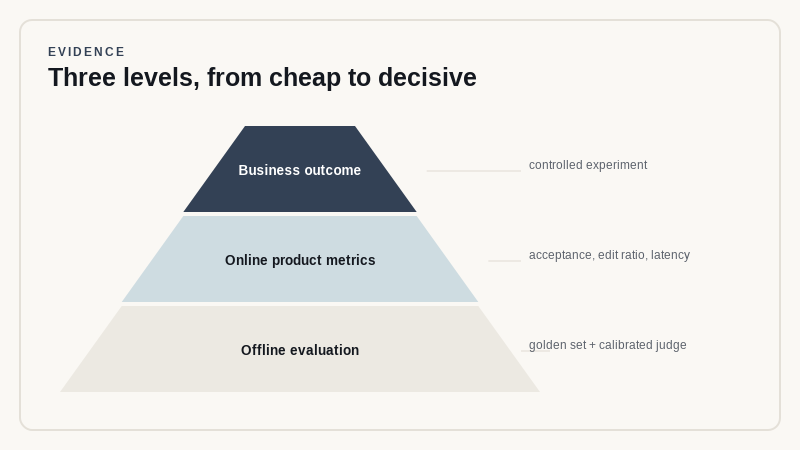
Measuring GenAI Quality: Offline Evals, Online Metrics, and A/B Tests
A measurement stack for GenAI: golden sets, model judges, production signals, and controlled rollouts.
Read →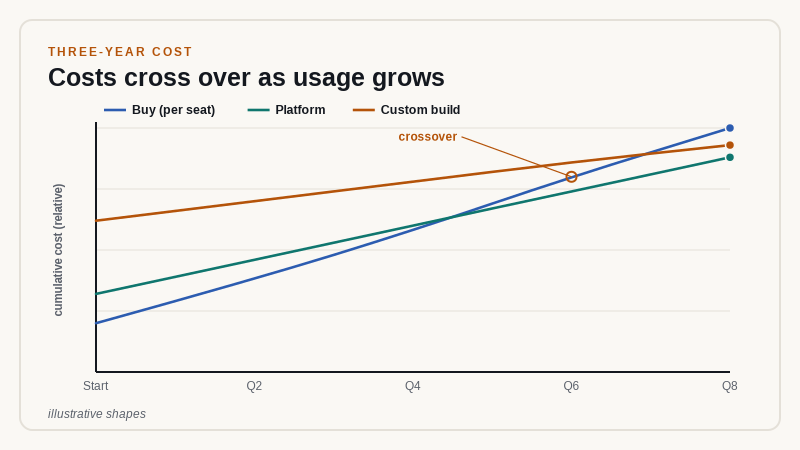
Build vs Buy for GenAI: An Engineering Decision Framework
How to decide between off-the-shelf tools, configurable platforms, and custom builds, including the hidden costs of each.
Read →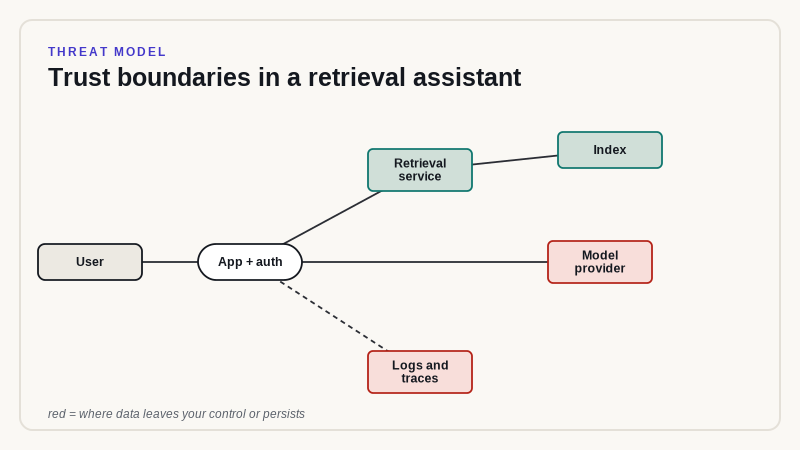
Secure GenAI Architecture: Protecting Data End to End
Threats, controls, and patterns for GenAI systems: redaction, access control, prompt injection, and audit.
Read →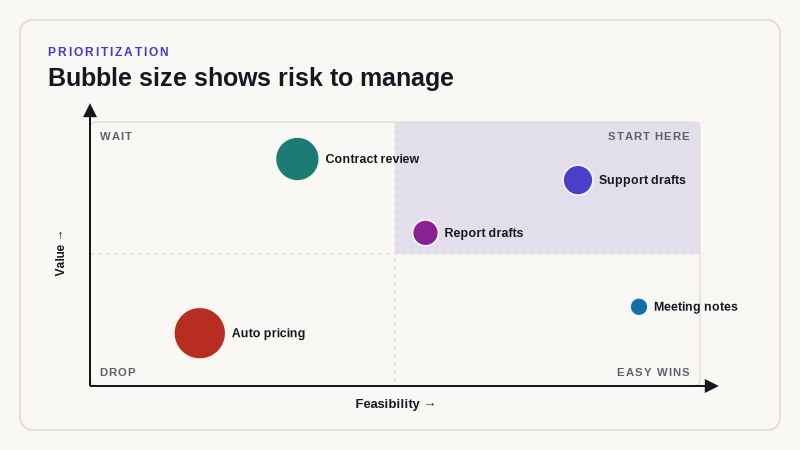
Scoring GenAI Use Cases With a Weighted Model
A transparent scoring method for choosing between candidate projects, with a small script you can reuse.
Read →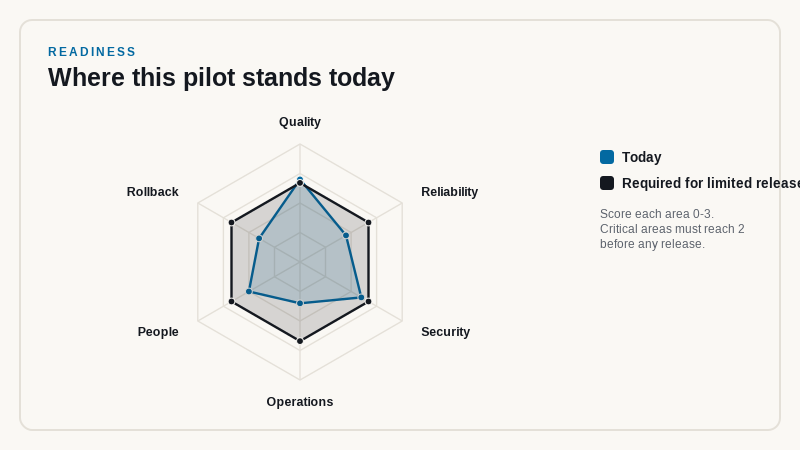
From Pilot to Production: A GenAI Readiness Checklist
The engineering gaps between a convincing demo and a system people rely on, with a checklist to close them.
Read →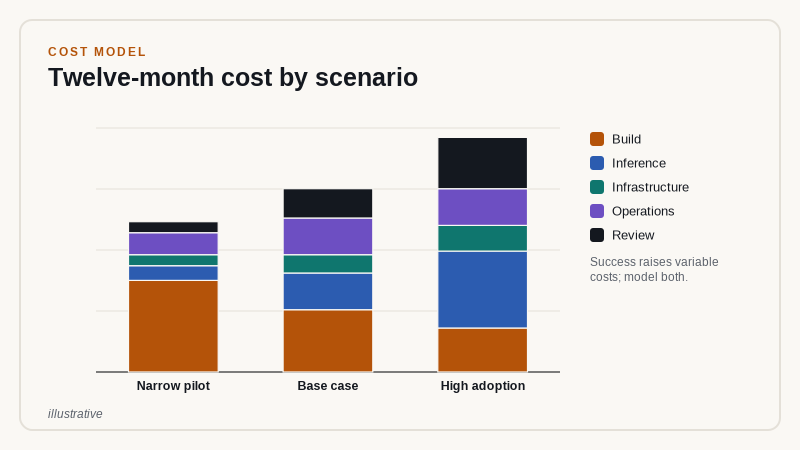
A Total Cost of Ownership Model for GenAI Systems
A worked cost model: build, run, and operate, with the levers that move each line.
Read →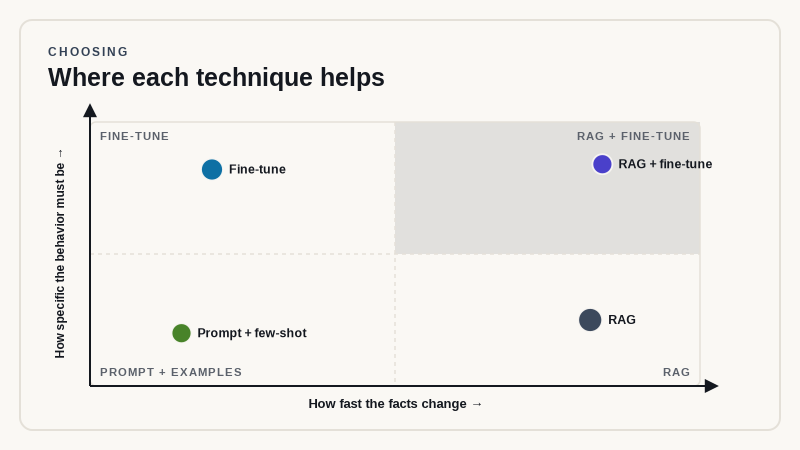
RAG vs Fine-Tuning: A Technical Decision Guide
When retrieval is enough, when fine-tuning pays off, and how to test the choice instead of arguing about it.
Read →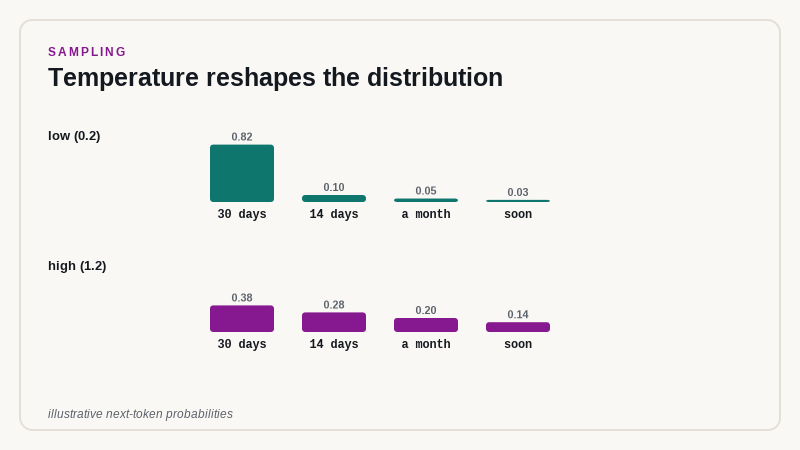
How LLMs Work for Practitioners: Tokens, Context, Sampling, and Cost
The mechanics that explain price, latency, and quirks, in the depth an engineering lead needs.
Read →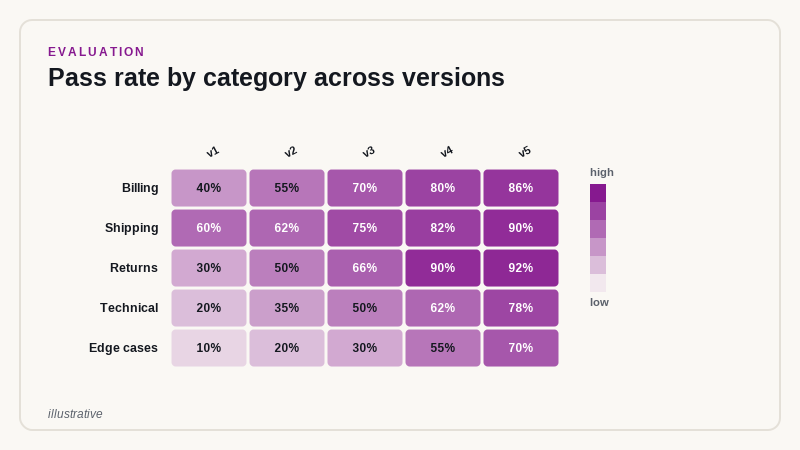
Our GenAI Delivery Framework: Eval-Driven Development in 30 Days
How we structure a month-long build around an evaluation set, so quality is measured from week one.
Read →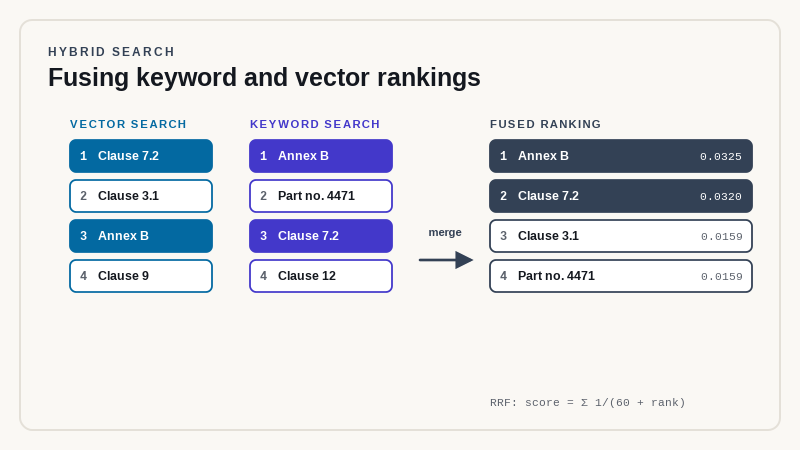
Production Document Q&A: Chunking, Hybrid Search, Citations, and Evals
The engineering choices that decide whether a document assistant is trusted: how you split, search, cite, and test.
Read →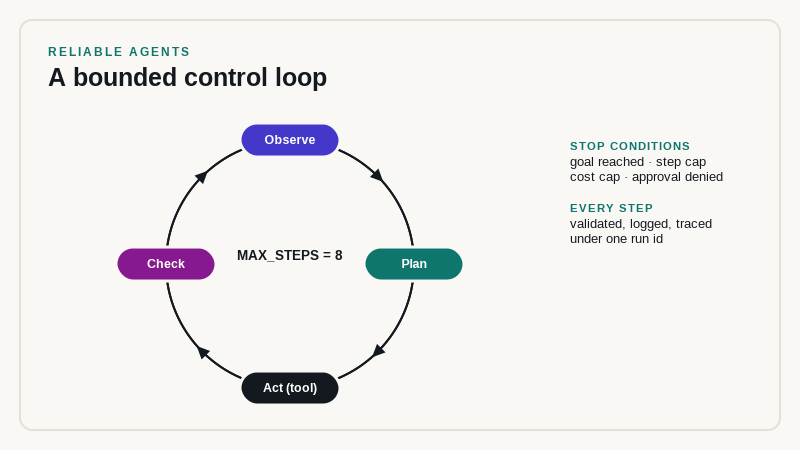
Designing Reliable AI Agents: Tool Use, Control Loops, and Failure Modes
An agent is a loop with tools and limits. Here is how to build one that behaves predictably in production.
Read →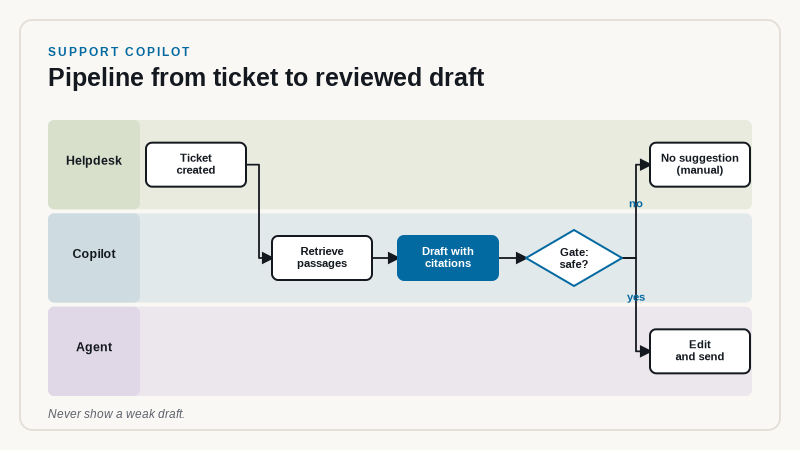
Engineering a Support Copilot: Retrieval, Drafting, and Review
A technical walk through ticket intake, hybrid retrieval, grounded drafting, confidence gating, and the feedback loop.
Read →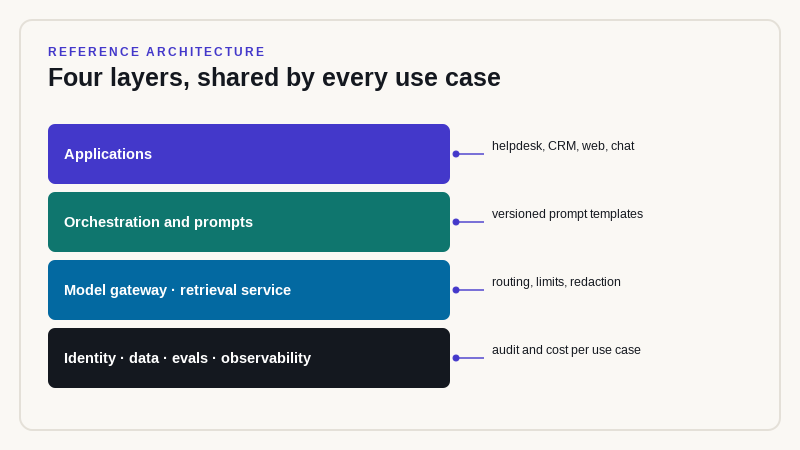
A GenAI Reference Architecture and Delivery Roadmap
The platform pieces you need before the second GenAI project, and the order to build them in.
Read →